CYPRUS AT A STRATEGIC CROSSROADS: DETERRENCE, DEFENCE REORIENTATION, AND NORMATIVE DECLINE IN THE EASTERN MEDITERRANEAN
Aristos Aristotelous
Introduction
The Republic of Cyprus stands at a critical juncture in a rapidly changing international system with direct implications for its national security and defence policy. The forced divestment of Russian-origin weapon systems from the Cypriot National Guard (CNG), coupled with limited prospects for integration into Western—primarily U.S.—defence assistance frameworks, has shifted Cyprus into a more volatile strategic environment. Meanwhile, multilateral norms are eroding, confidence in collective security is declining, and unilateral great-power behaviour is resurging. Recent U.S. practices include unilateral military interventions, coercive diplomacy, and punitive economic measures—even against allies, reflecting a return to power-centric strategic logics.
Such trends strain alliance cohesion, undermine the credibility of institutions such as NATO, and encourage more assertive regional actors. For Cyprus, a small state whose security has relied on international law and United Nations legitimacy, declining norms increase strategic vulnerability. Turkey’s growing military capabilities and revisionist conduct in the Eastern Mediterranean, therefore, require greater attention. Cyprus must reassess its deterrence posture, defence planning, and institutional capacity under serious political and fiscal limits. These developments mark a return to classical realist views in international politics. Thucydidean ideas about power asymmetry and coercion gain renewed relevance as legal and institutional constraints weaken. Hobbesian views of an anarchic international order also influence state behaviour, making self-help and distrust more common. The revival of sphere-of-influence thinking further shows a decline in liberal institutionalism. For small states like Cyprus, this mix is even greater exposure to coercion and brinkmanship. It underscores the need for deterrence based primarily on material capabilities, especially military ones—not just on norms or laws.
Defence Weaknesses
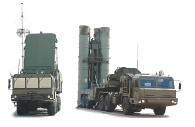
Cyprus faces long-term defence weaknesses that undermine its credibility in its own defence. These include a lack of a clear national defence plan, unclear roles for Greece, and failure to connect political aims to military actions. Its location, armed forces organization, aging equipment, and ongoing shortages also hamper defence, especially given proximity to Turkish forces. Reduced compulsory military service has weakened readiness and reserves, while aging platforms and persistent shortages erode sustainability. Withdrawal of Russian-origin systems—central to the National Guard—has compounded these challenges. High replacement costs, procurement complexity, and integration difficulties coincide with defence spending that falls short of policy objectives, revealing a mismatch between requirements and resources.
Strategic Preconditions
Effective defence reorientation for Cyprus requires two clear steps. First, Cyprus must define a specific grand strategy that integrates deterrence and diplomacy. This involves: (1) building capacity for credible denial; (2) enhancing national resilience; and (3) ensuring consistent readiness. Successfully implementing these actions will strengthen Cyprus's leverage in negotiations and better protect national interests when facing asymmetric threats. Second, Cyprus should reassess the Turkish military threat in all domains. Cyprus should treat the EU, the U.S., Israel, and France as conditional partners rather than guarantors. To build deterrence, Cyprus must: (1) prioritize strategic clarity, (2) strengthen institutions, and (3) foster national resolve by drawing on lessons from small states such as Finland and Estonia.
The Lifting of the U.S. Arms Embargo
The lifting of the U.S. arms embargo and the accompanying Presidential Determination on arms transfers constitute a politically significant development in Cyprus–U.S. relations. In principle, these mechanisms expand access to U.S. defence instruments, including Excess Defence Articles, Foreign Military Sales, and structured training programs. Comparable frameworks have enabled states such as Romania and Jordan to pursue selective modernization while improving interoperability with Western forces. This change should be treated with care: gaining access does not automatically mean approval, and the results depend on U.S. interests in the region. U.S. defence assistance is support with limits, not a substitute for Cyprus developing its own strong defence. Cyprus should avoid appearing to prepare for war or to serve as a base for attacks against neighbouring countries. Instead, it should show that it promotes peace and assists in humanitarian work and evacuations in the area.
The Turkish Factor
Turkey's reaction to U.S. military hardware sales or assistance to Cyprus, which threatens to alter the military balance in the area, also serves as a constraint on the volume and type of American equipment that Washington would provide to the country. And the U.S. cannot afford to ignore Ankara’s partnership and strategic importance and will thus confine its assistance to Cyprus to less offensive weapons, of a more defensive character. Consequently, Cyprus should, in response, manage expectations and prioritize investments that specifically improve denial capabilities, enhance resilience, and support escalation control. Cyprus should avoid relying on a single external balancing source and instead focus on more credible suppliers and on building endogenous strengths.
Conclusion
Cyprus’s evolving environment highlights why relying on norms is insufficient in today's power-centric order. Cyprus must reorient its defence on three key principles: (1) build credible deterrence grounded in domestic capabilities; (2) ensure strategic and institutional coherence; and (3) maintain resilience through regular policy audits. Without these, external partnerships may foster dependency rather than ensure true security. Long-term survival requires steady progress on the Cyprus problem and matching political vision to material preparedness, especially amid persistent asymmetries and rising uncertainty. Introducing an annual defence policy audit is essential for sustained adaptability and resilience.